
Call or Text:
(704) 266-1706

Navigating Charlotte Home Remodeling Permits: A Guide
Key Highlights
- For most residential projects in Mecklenburg County, you need a building permit. This is to make sure work is safe and meets building codes.
- To start the permitting process, you have to fill out an application. You also need to send detailed plans for plan review.
- If you do things like add to your home, make structural changes, or finish a basement or attic in North Carolina, you need a permit for that.
- You can get building permits online using secure websites or by visiting the Mecklenburg County office.
- If you do not get a permit, you may face fines, have work stopped, or deal with safety problems.
- Inspections are important in this permitting process. They check if work meets local building codes.
Introduction
Planning a home remodel in the Charlotte area can be a great experience. You might want a new kitchen, a bigger living room, or you want to finish your basement. The things you picture in your mind are going to come true soon. But, you must know about the rules in your area before starting any residential construction. Getting the right building permit is the first step you need to take. This guide will help you understand the permitting process in Charlotte. It will show you how to start your project the right way.
Overview of Charlotte’s Home Remodeling Permit Process
The permitting process for home remodeling in Mecklenburg County helps to be sure that your residential projects stay safe and solid. First, you need to check if your work needs a permit. Then, get your application and plans ready. Next, send them in to be looked over. After the work starts, you will schedule checks to make sure everything is right.
You can apply online or face-to-face. The steps with the county’s official departments are not always easy. But when you know what to do, you get less waiting. Now you will finish your project in a good way.
Why Permits Matter for Residential Remodels
Getting a building permit lets you feel peace of mind. You know your project will last and be safe. A building permit means your plans follow the rules set in your area. This step helps keep your family safe and protects what you own. A permit also makes sure your home stays a good and safe place to live.
The risks that come with remodeling your home in Mecklenburg County without a building permit are big. Code enforcement can fine you. You might have to remove any work that was done without a Mecklenburg County building permit. This can also cause trouble when you try to sell your place. If work is not allowed by permit, it may not be safe. No one checked if it meets the rules for structure or fire safety.
A permit helps you feel sure that the work is done the right way. It stops you from facing legal trouble in the future. It also keeps a record of all the building or changes made, which means your property’s value and your family’s safety are protected.
The Role of Mecklenburg County in Permitting
The Mecklenburg County government takes care of all building permits. Its official departments look at your permit application and building plans. They check if things follow North Carolina’s building codes. This helps keep safety standards in all residential construction.
When you send in your plans, the county’s Code Information and Resource Center (CIRC) is there to help. The team at CIRC, with senior plans examiners, helps you and your contractors know what is needed for the residential plan review. If you have questions about your remodeling project or about the plan review, they are the right group to talk to.
Think of Mecklenburg County like your partner when you want to build something. They make sure every job, whether it is a small change or a big new thing, follows the rules. This helps make the finished building safe for you and your family.
Common Remodeling Projects That Require Permits
Many home remodeling jobs will need you to get a building permit. This is to make sure the work is safe and follows the rules. If you want to change how your home is built, add a new room, or do work on the electric, plumbing, or heating systems, you will most likely need a permit.
Understanding the permit requirements is important before you start. If you are working on a kitchen, bathroom, or a bigger home project, knowing when you need a residential plan review helps a lot. This way, you save time and avoid problems. Let’s go over some examples.
Kitchens, Bathrooms, Additions, and Structural Work
When you want to remodel your home in North Carolina, you need a building permit if the scope of work involves big changes. This is important for projects with structural changes or when you make your home’s space bigger. Safety and following the rules matter most in North Carolina.
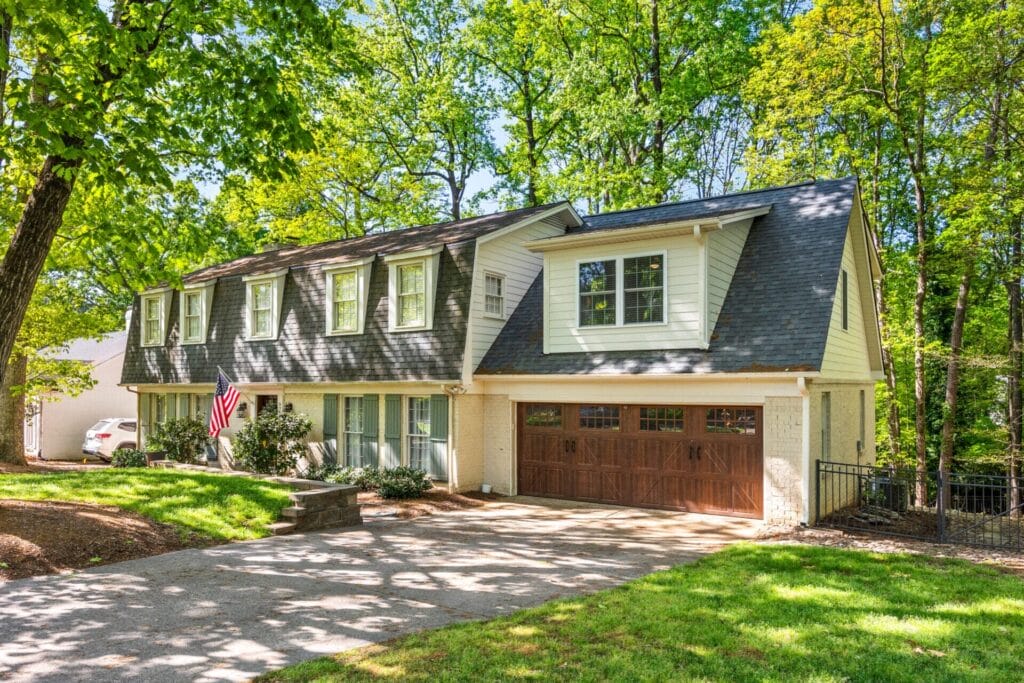
If you want to add a room to your house, you need a permit. This is because it changes your house and needs to follow the current NC building codes. In the same way, if you turn a deck into a sunroom, you must build a full foundation under it. You also need permits for new walls, putting on a roof, and for any electrical jobs you do.
Here are some projects that often need a permit:
- Adding another room or a second floor to your house.
- Finishing your basement or attic.
- Any job that deals with parts of the house that are not named in the rules, like wood beams made by engineers or strange types of foundations.
- Tearing down inside walls or other major parts.
Exceptions: Projects That May Not Need a Permit
Many projects need permits. But some small jobs like basic updates do not. These are things that do not change the structure, wiring, pipes, or machines in your home. If you know what jobs are exceptions, you can save time. Still, it is always good to ask the county if you’re not sure.
For example, if you want to build a small accessory building like a storage shed in Mecklenburg County, you may not need to get a building permit. A shed will not need a building permit as long as no side is more than 12 feet. But you still need to get a zoning permit to check that it follows the setback rules.
Here are some types of work that often do not need a building permit:
- You can do painting, put in new flooring, or change out countertops.
- A small storage shed can be built if it is under 12 feet in any way.
- You are allowed to do small repairs if these don’t change the main structure.
Doing things the right way helps you follow the rules in North Carolina. It also helps you stay out of trouble later on.
Step-by-Step Guide to Applying for a Home Remodeling Permit
Starting your permit application is the first step in the home remodeling permitting process. Mecklenburg County gives you a few options to apply. The application process is open for both homeowners and contractors. You can pick the way to apply that works best for you.
The main way to apply is online on the Accela Citizen Access portal. This makes it fast and easy. There is another way. You can also apply in person. Both options let you finish your application. But the steps you need to take are not the same.
Creating Your Charlotte Permit Account Online
The first step you need to take is to create an account on the Accela Citizen Access portal. This is one of the secure websites that Mecklenburg County uses. It lets you send in your papers, follow your application’s status, and message with the county.
After you set up your account, you can begin a new permit application. You need to share details about the project. You will also upload your plans and say who the contractors are. The system helps you step by step with the permit application. It makes sure you give all the information needed.
Here’s what you can do through the online portal:
- Fill out and send in your building permit application.
- Upload your building plans and other needed papers.
- Get your project and permit number. Use it to check on your building permit application.
This online way is usually quicker and lets you handle all things on your computer.
In-Person Applications: What You Need to Know
If you like to take care of things yourself, you can bring your permit application and turn it in at the office. The Mecklenburg County Code Enforcement office is at 2145 Suttle Ave. in Charlotte. The team at the office will help you with the forms and show you what to do.
When you apply in person for a building permit, make sure you bring every required form and plan with you. That means you should have your building permit application ready. Write down the names of your contractors and clearly state the scope of work. You might have to pay an extra administrative fee when you submit paper copies. So, keep that in mind before you go.
Keep in mind that you are working with sensitive information. So, check that all your documents are ready and right before you leave. The staff in the official departments are there to help you. If you have everything set and sorted, things will move better and be faster.
Key Documents and Information Needed for Permit Approval
To get your permit approved, you have to give the right documents. A permit application is not just a form you fill out. It includes detailed construction plans with all the key information. This is what official departments use when they do the plan review.
Having things ready right from the start is the best way to stop any hold-ups. The county wants to see clearly what you plan to build. They do this to make sure all plans follow safety and zoning rules. Below, you will find which exact papers you need to get ready.
Construction Plans and Specifications
Your construction plans are the most important part of your permit application. The drawings need to show the clear scope of work. They should include floor plans, elevations, and many structural details. For some projects, a full plan review is needed. This helps check that every detail meets the building codes.
The plans must be clear. If you are adding a room to your house, you should show the foundation. You also need to include how the walls are built. The roof design should be in the plans too. It is important to show how it connects to the house you already have. If you use pre-approved designs, you can use a master plan to finish things faster.
In some cases, the plan needs to be sealed by a licensed North Carolina architect or engineer. This is often true for projects where there are steel beams or complex foundations. The seal makes sure the building will be safe. The work follows all rules, even when the design is not standard.
Proof of Ownership and Contractor Details
With your plans, you need to give details in your building permit application about who owns the property and who will do the work. The text does not directly say you have to show proof of ownership, but in most places this is usually part of the building permit process. A building permit application will often ask for documents that show you are the owner.
You need to give the names of your general contractor and any licensed subcontractors who will do plumbing, mechanical, or electrical work. Mecklenburg County asks for these names to make sure that capable professionals are doing the job. If you are your own general contractor, you must write down each licensed contractor on your permit.
The state of North Carolina says you can build your own home. You must plan to live in it for at least one year. In this case, you need to do all the work and find licensed subcontractors. You act as the general contractor for your own project.
Understanding Mecklenburg County Remodeling Codes and Regulations
Building codes are there to keep your home safe and strong, not just to help you pass an inspection. The State of North Carolina has rules for how to build houses. All residential projects in Mecklenburg County have to follow these rules. The code enforcement teams in the area make sure everyone sticks to them.
These rules be about many things. They include how strong a building is, how safe it is from fire, and how well it uses energy. If you like to fix things yourself, or if you are working with a builder, you need to know these rules for any good remodel.
Residential Building Codes for Remodels
The North Carolina building codes tell you what rules you need to follow when you change a house. You have to follow these rules, and they talk about many things. For example, the codes tell you how deep the footings must be, how the stairs should be built, and what insulation to use. These rules help to make sure everything is safe and right.
If you know the local building codes in Mecklenburg County, you can plan your work the right way. For example, there is a rule that a footing must go down at least 12 inches below the ground. If you are putting in stairs, the riser should not be taller than 8 1/4 inches, and the tread should be no less than 9 inches deep. By following these building codes, you make sure your project is safe and done the right way.
There are some main insulation needs based on the building codes:
| Location | R-Value Requirement |
|---|---|
| Floor | R-19 |
| Exterior Wall Cavity | R-15 (or R-13 + R-2.5 continuous) |
| Attic | R-38 |
| Basement Walls | R-5 (continuous) or R-13 (cavity) |
Safety and Inspection Requirements for Charlotte Projects
After you get your permit and work starts, you need to have inspections during different parts of your project. The reason for these inspections is so the code enforcement officer can check if the residential construction follows the code rules. This needs to happen before anything gets covered up. You have to call and set up each inspection that is needed.
Key inspections often take place at important times. This can be during the foundation footing, when putting up the frame, and at the end of the build. For example, the footing gets checked before you pour the concrete. Once all inspections are done and passed, you can get a certificate of occupancy. A certificate of occupancy shows the extra space is safe for people to live in.
Important inspection points include:
- A footing check needs to be done before you pour concrete.
- There should be electrical, plumbing, and mechanical checks done before you close up the walls.
- A framing check should be done before you put in insulation.
- A last check is needed after all work is finished.
Conclusion
At DGK Design+Build, we handle the entire permitting process from start to finish, so you don’t have to navigate Mecklenburg County requirements, track down paperwork, or worry about missing a critical step. As a full-service, turnkey design and build team, we take care of everything: from creating compliant construction plans to submitting permits, coordinating inspections, and managing every detail of your remodel. You get to focus on the excitement of transforming your home while we make sure nothing falls through the cracks.
Frequently Asked Questions
Going through the permitting process often brings up questions. People usually want to know which documents they must provide to get a building permit in Mecklenburg County, or how long their permit application will take to be approved. The Mecklenburg County government says you should expect the review to take several business days. Many homeowners ask about the cost of a permit, and what details they should include when filling out the application. It’s important to understand your scope of work, such as if there will be any structural changes or if you will add accessory buildings to your residential projects. Always talk to official departments to get the right information and help during your application process.
How long does the permit approval process take in Charlotte?
The time it takes to get a building permit can change. A simple trade permit may be ready fast. A permit application that needs a full plan review for a home project can take several weeks. The timeline depends on how complex your residential plan review is and how busy the department is right now.
What are typical fees for home remodeling permits in Charlotte?
Building permit fees in Mecklenburg County depend on what you plan to build. They also depend on how much it costs. The county has an online permit fee estimator. You can use this tool to see what your building permit fee might be. Remember, you may have to pay more for zoning or health fees depending on your project.
What happens if I make changes without a permit?
Remodeling in the Charlotte area without the right permit can cause real problems. Code enforcement may give you stop-work orders. They can also make you pay fines. You might have to take out what you built. There could even be legal trouble. It’s always best to follow permit requirements so you avoid these risks.