
Call or Text:
(704) 266-1706
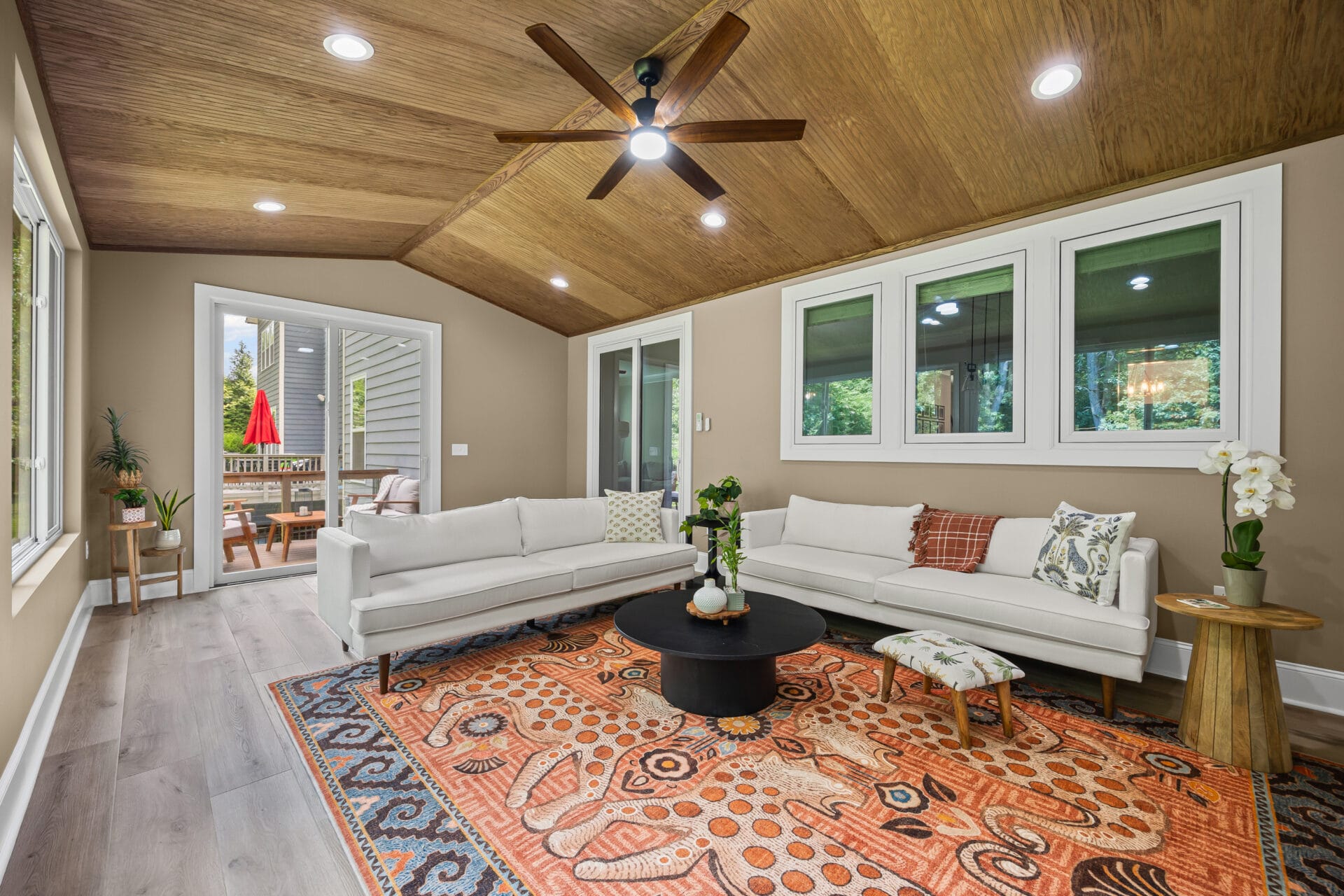
Home Addition in Charlotte, NC: Which Type Is Right for Your Home?
Expand Your Home Without Leaving Your Neighborhood
Charlotte homeowners are choosing to stay and build more than ever before. With inventory tight across SouthPark, Ballantyne, Myers Park, Dilworth, and Waxhaw, the calculus for many families is straightforward, the neighborhood is right, the school district is right, the commute is right. What isn’t right is the square footage.
A home addition is how you close that gap. But before any design work begins, before a single permit is filed, the most important decision is choosing the right type of addition for your home, your lot, and the way your family actually lives.
Not every addition type fits every home. A second-story addition that works beautifully on a ranch-style home in Ballantyne may not be the right answer for a two-story in Myers Park. A primary suite addition that transforms daily life for one homeowner may be less impactful than an open-concept main level expansion for another.
This guide walks through the most popular types of home additions DGK Design and Build builds in Charlotte and what each one involves structurally, what it delivers functionally, and how to think about which type fits your specific situation.
Want to start with investment ranges? Visit our Home Additions Service Page or check our 2026 Pricing Guide for full cost details.
Primary Suite Addition
A primary suite addition is consistently the most requested addition type we see at DGK Design and Build and for good reason. For homeowners whose homes were built before primary suites became standard, or whose existing primary bedroom simply doesn’t reflect how they want to live, this addition changes the experience of the home more than almost anything else.
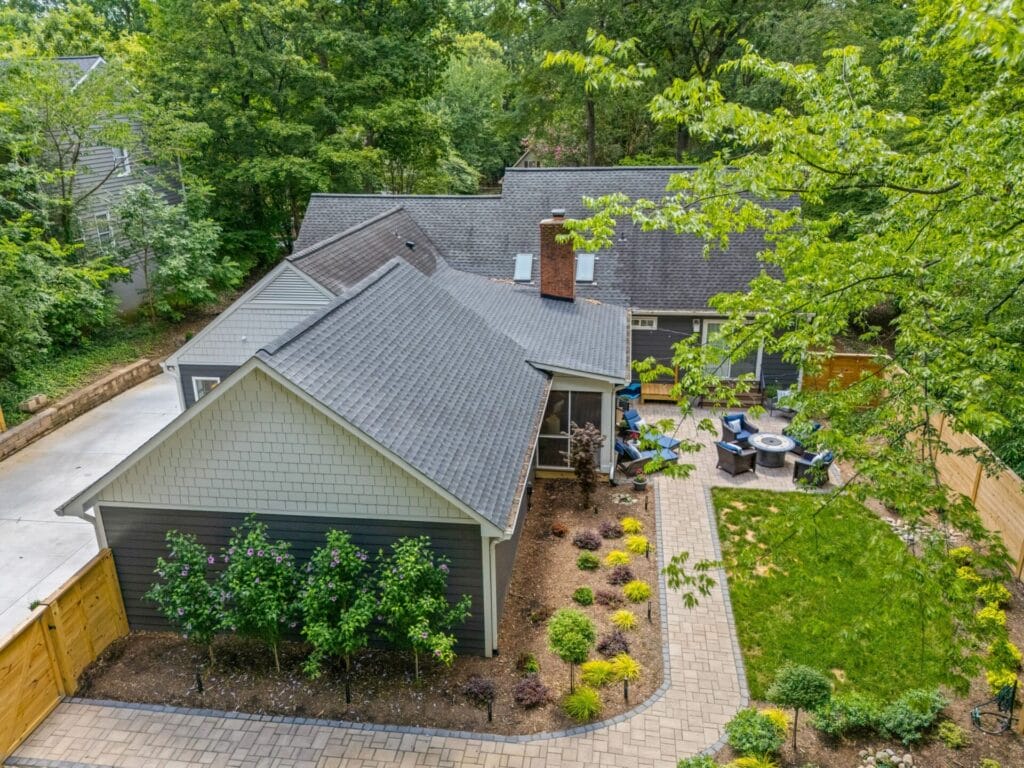
A true primary suite addition at the DGK Design and Build level includes a generously sized bedroom, a fully custom walk-in closet, and a luxury primary bathroom, tiled shower, soaking tub, custom vanity, and all the finishes that make the space feel intentional rather than just functional.
Structurally, this type of addition typically involves expanding an existing bedroom footprint, adding square footage through a first-floor bump-out or a second-story component, and integrating new plumbing and electrical systems into the existing home. The complexity depends heavily on where the addition connects to the existing structure and whether any load-bearing elements need to be modified.
This addition type works especially well for homes that have a strong layout on the main living level but a primary bedroom that hasn’t kept pace. For Charlotte homeowners in established neighborhoods who love their location but want a bedroom experience that matches the rest of the home, a primary suite addition is almost always the right conversation to start.
See completed primary suite additions in our Home Additions Portfolio.
In-Law Suite or Accessory Dwelling Unit (ADU)
The in-law suite and ADU category has grown significantly in Charlotte over the past several years, driven by multigenerational living trends and the flexibility that a well-designed secondary living space provides.
An in-law suite is typically an attached addition connected to the main home but designed to function independently, with its own bedroom, bathroom, living space, and sometimes a kitchenette. An ADU can be attached or detached and is designed to function as a fully self-contained living unit.
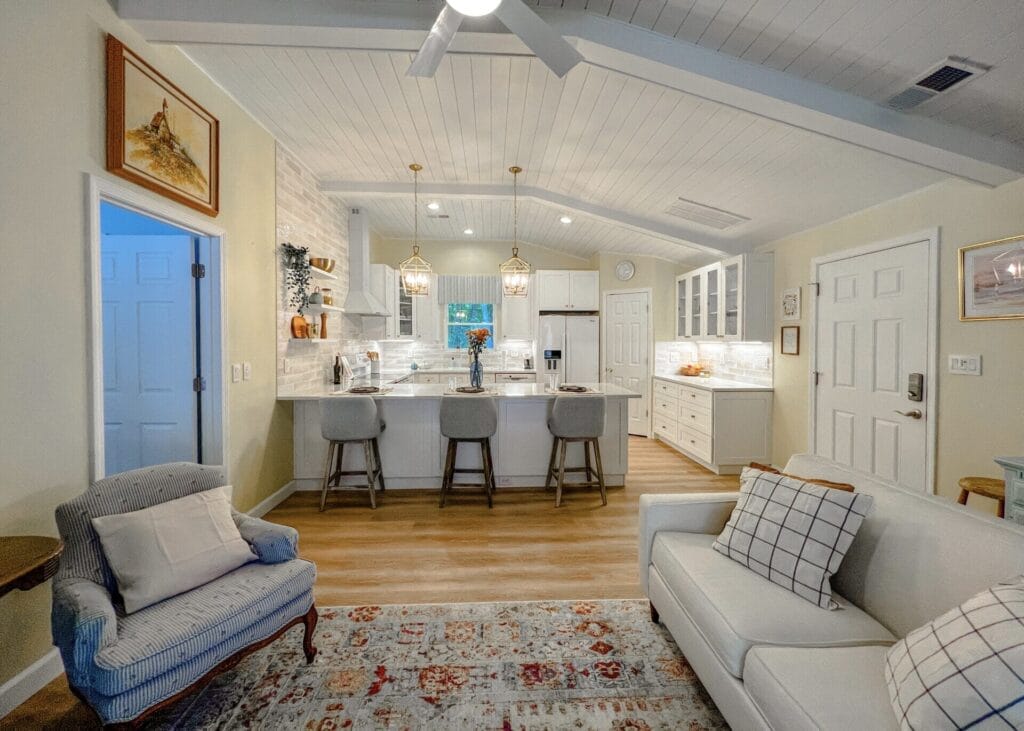
Both addition types require careful planning around Mecklenburg County zoning requirements, which govern setbacks, lot coverage, height restrictions, and permitted uses. DGK Design and Build manages the full permitting and feasibility process, which includes verifying what your specific lot and zoning classification allows before any design work begins.
For Charlotte homeowners considering this type of addition, the use case matters enormously. An aging parent who needs proximity but values independence has different needs than a guest suite used a few times a year. The design and the investment should reflect the actual intended use.
Open Concept Main Level Expansion
Many of Charlotte’s older homes were built with compartmentalized floor plans that no longer match the way people live. Separate formal living rooms, isolated kitchens, and closed-off dining rooms made sense in another era. For today’s Charlotte homeowners, they create daily friction.
A main level expansion is one of the most transformative addition types available not just because it adds square footage, but because it changes how the entire first floor feels and functions. This typically involves expanding the footprint of the home at the rear or side, opening walls between existing spaces, and creating a cohesive great room that integrates kitchen, dining, and living.
Structurally, this addition type tends to be complex. Removing walls often means encountering load-bearing elements that require engineered beams to carry the load. Expanding the footprint requires foundation work, new framing, roofline integration, and full MEP (mechanical, electrical, plumbing) coordination. The result a home that opens up and flows the way a modern Charlotte home should, is worth every bit of that complexity when it’s executed correctly.
This is the addition type where the design-build process matters most. The integration between what’s being added and what already exists has to be seamless, architecturally, structurally, and aesthetically. A poorly integrated addition is visible forever. A well-executed one looks like it was always there.
Second-Story Addition
For Charlotte homeowners on smaller lots where building out isn’t an option or who want to significantly increase square footage without reducing yard space, a second-story addition is the answer.
Adding a second story to a single-story home is the most structurally complex addition type on this list. It requires a thorough structural assessment of the existing foundation and first-floor framing to verify they can support the additional load. In many cases, reinforcement is needed before vertical construction can begin. Roofline reconfiguration, stair integration, and ensuring the new second floor feels architecturally consistent with the existing home all require careful design work.
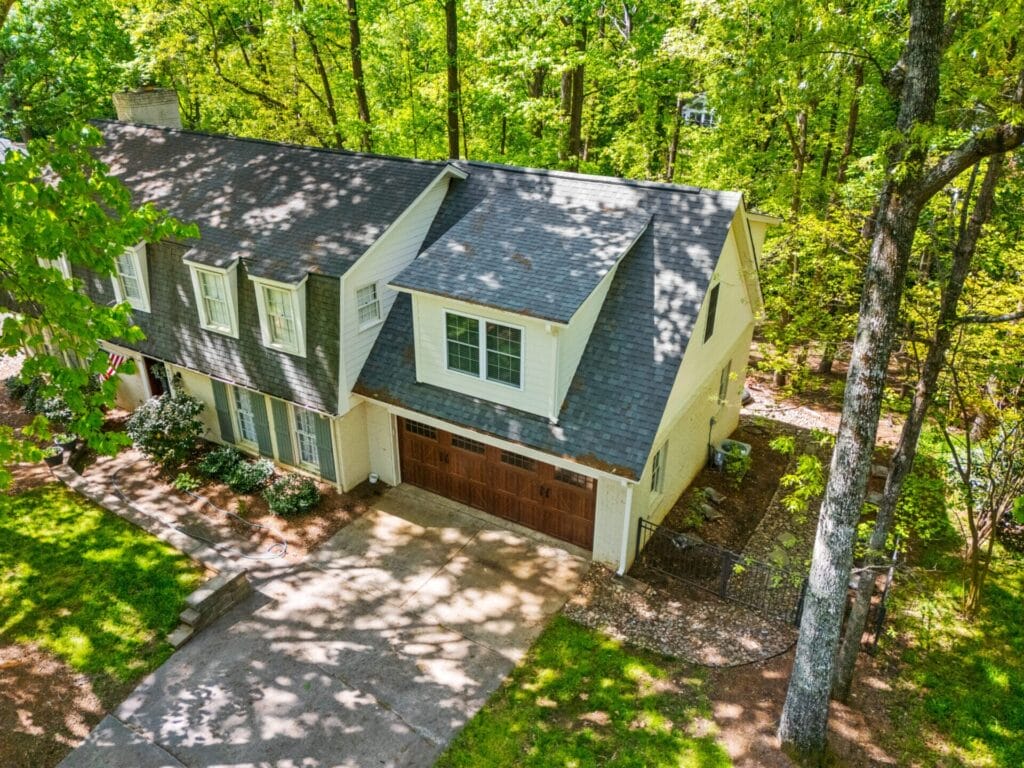
The payoff is significant. A second-story addition can double a home’s square footage, add multiple bedrooms and bathrooms, and create an entirely new living dynamic all while keeping the yard intact. For families that have outgrown their home but love their lot and neighborhood, this addition type is often the most impactful long-term investment available.
DGK Design and Build approaches second-story additions with the same design-first process as every project structural feasibility is assessed thoroughly before any commitment is made, so you understand exactly what the project involves before construction begins.
Bonus Room or Flex Space Addition
Not every addition needs to be defined by a single function. A bonus room or flex space addition gives Charlotte homeowners what many modern homes lack, a space that adapts to how life actually changes over time.
Today it’s a home office. In three years it’s a playroom. In ten years it’s a guest suite. A well-designed flex space is built with that adaptability in mind, rough-in plumbing stubbed in for a future bathroom, enough electrical capacity for varied uses, and a layout that doesn’t force a single purpose.
Structurally, a bonus room addition can take several forms, a detached structure in the backyard, an over-garage addition that utilizes existing structure, or a single-room expansion off the main level. The structural complexity and investment vary accordingly.
For Charlotte homeowners who need more space but haven’t landed on a single defined use, a flex space addition often delivers more long-term value than a highly specialized room that may not serve the same need five years from now.
Kitchen Expansion
The kitchen is the most used room in most Charlotte homes, and one of the most requested addition types we see is expanding it either through a rear bump-out that adds square footage directly to the kitchen footprint, or through a broader first-floor reconfiguration that opens the kitchen to adjacent spaces.
A kitchen expansion at the DGK Design and Build level involves far more than adding a few feet. It typically includes new cabinetry designed to the expanded footprint, updated countertops, backsplash, lighting, and full replumbing and electrical work to support the new layout. When the expansion is paired with an open-concept reconfiguration, it becomes one of the most impactful single projects a Charlotte homeowner can undertake.
The connection between the addition and the existing kitchen has to be architecturally invisible, the same flooring, the same ceiling height, the same design language. Achieving that seamlessness is a design-build challenge that DGK Design and Build handles as part of the full project scope.
For more on what a kitchen expansion investment looks like, visit our Kitchen Remodeling Service Page or use our Kitchen Renovation Calculator to get a starting estimate.
How to Choose the Right Addition Type for Your Home
With several addition types on the table, here is a simple framework for narrowing down what makes sense for your specific situation.
Start with the problem, not the solution. What is the actual friction point in your home right now? Not enough bedrooms? A primary suite that doesn’t match the rest of the house? A kitchen that feels isolated from the family? The addition type that solves the most pressing problem is almost always the right starting point.
Consider your lot. Charlotte lots vary significantly in size and configuration. What your lot allows in terms of setbacks, lot coverage, and height restrictions, directly shapes which addition types are feasible. DGK Design and Build’s feasibility process includes a full assessment of what your lot and zoning classification permits before any design work begins.
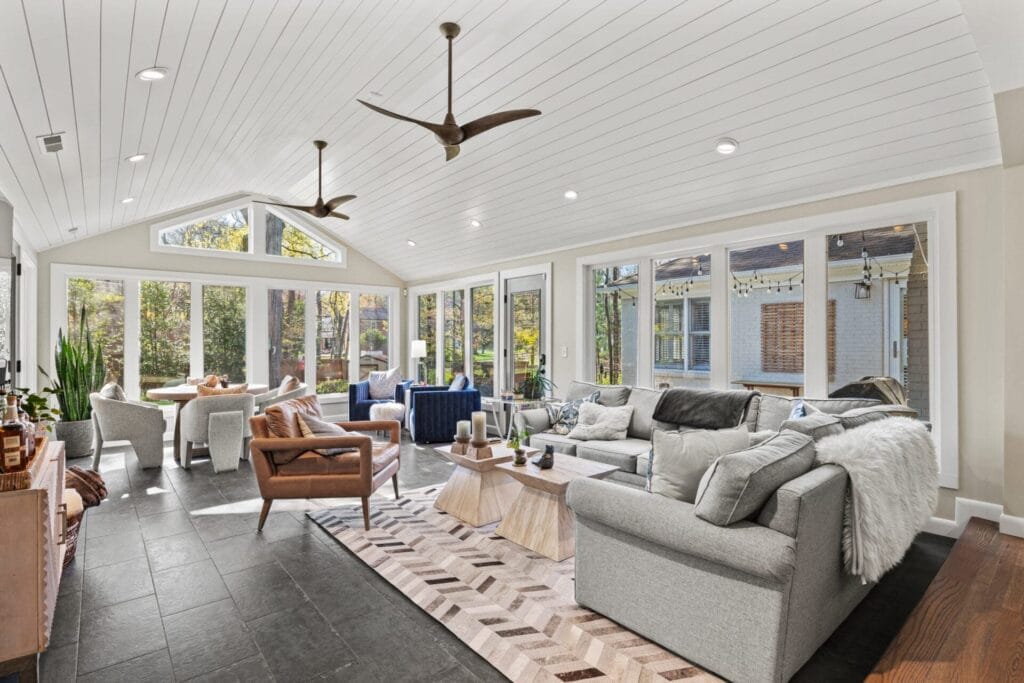
Think about how you live now and how you’ll live in ten years. A primary suite addition is the right answer for a couple whose children have moved out and who want to invest in the daily experience of their home. A second-story addition with multiple bedrooms is the right answer for a growing family that needs space now and will need more of it in the future. The addition should serve your life not just today, but over time.
Work with a team that owns the full process. A home addition is one of the most structurally complex projects a homeowner undertakes. The integration of new construction with an existing home requires design expertise, structural knowledge, and construction experience working together under one roof. When those three things are managed by separate parties, the result almost always shows. When they’re managed by one team as they are at DGK Design and Build the result looks like it was always there.
Explore DGK Design and Build Home Addition Projects
To see what each of these addition types looks like in practice across Charlotte’s neighborhoods, browse our Home Additions Portfolio.
To understand investment ranges for the addition type you’re considering, visit our Home Additions Service Page and our 2026 Pricing Guide.
For a full picture of how DGK Design and Build approaches additions alongside kitchen and bathroom projects, read our Complete Home Remodeling Cost Guide for Charlotte, NC.
Ready to Add to Your Charlotte Home?
DGK Design and Build serves Charlotte and surrounding communities including SouthPark, Ballantyne, Myers Park, Dilworth, Waxhaw, Matthews, Huntersville, Concord, and Mooresville.
Explore Home Addition Services — learn how DGK Design and Build approaches every addition project.
Browse the Home Additions Portfolio — see completed Charlotte additions.
View the 2026 Pricing Guide — full investment ranges for all project types.
Read the Home Remodeling Cost Guide — complete cost breakdown across kitchens, bathrooms, and additions.
Schedule a 30-minute discovery call — let’s talk about your project.
Frequently Asked Questions
Do I need a permit for a home addition in Charlotte, NC?
Yes all home additions require permits through Mecklenburg County. The specific permits required depend on the scope of work, but any addition involving structural changes, new plumbing, or electrical work will require full permitting. DGK Design and Build manages the entire permitting process on every project, from application through final inspection.
How long does a home addition take in Charlotte?
Timeline depends on the addition type and scope. A single-room addition typically runs 4–6 months from design through final walkthrough. A second-story addition or complex primary suite addition can run 6–10 months. DGK Design and Build provides a detailed project timeline before construction begins so you know exactly what to expect.
Can I stay in my home during a home addition in Charlotte?
In most cases, yes. DGK Design and Build takes care to minimize disruption to the existing home during construction — maintaining clear separation between the construction zone and the living areas wherever possible. Projects that require significant structural work on the main living area may involve temporary adjustments, which DGK Design and Build discusses with homeowners before the project begins.
What is the most popular home addition type in Charlotte?
Primary suite additions and open-concept main level expansions are consistently the most requested addition types DGK Design and Build builds in Charlotte. Both address friction points common in homes built before today’s design standards — undersized primary bedrooms and compartmentalized first floors — and both deliver significant improvements to how the home feels and functions daily.
How do I get started with a home addition in Charlotte?
The best first step is a discovery conversation. DGK Design and Build’s 30-minute discovery call is a no-pressure conversation about your home, your goals, and your timeline. From there, we outline a path forward that makes sense for your specific project.