
Call or Text:
(704) 266-1706
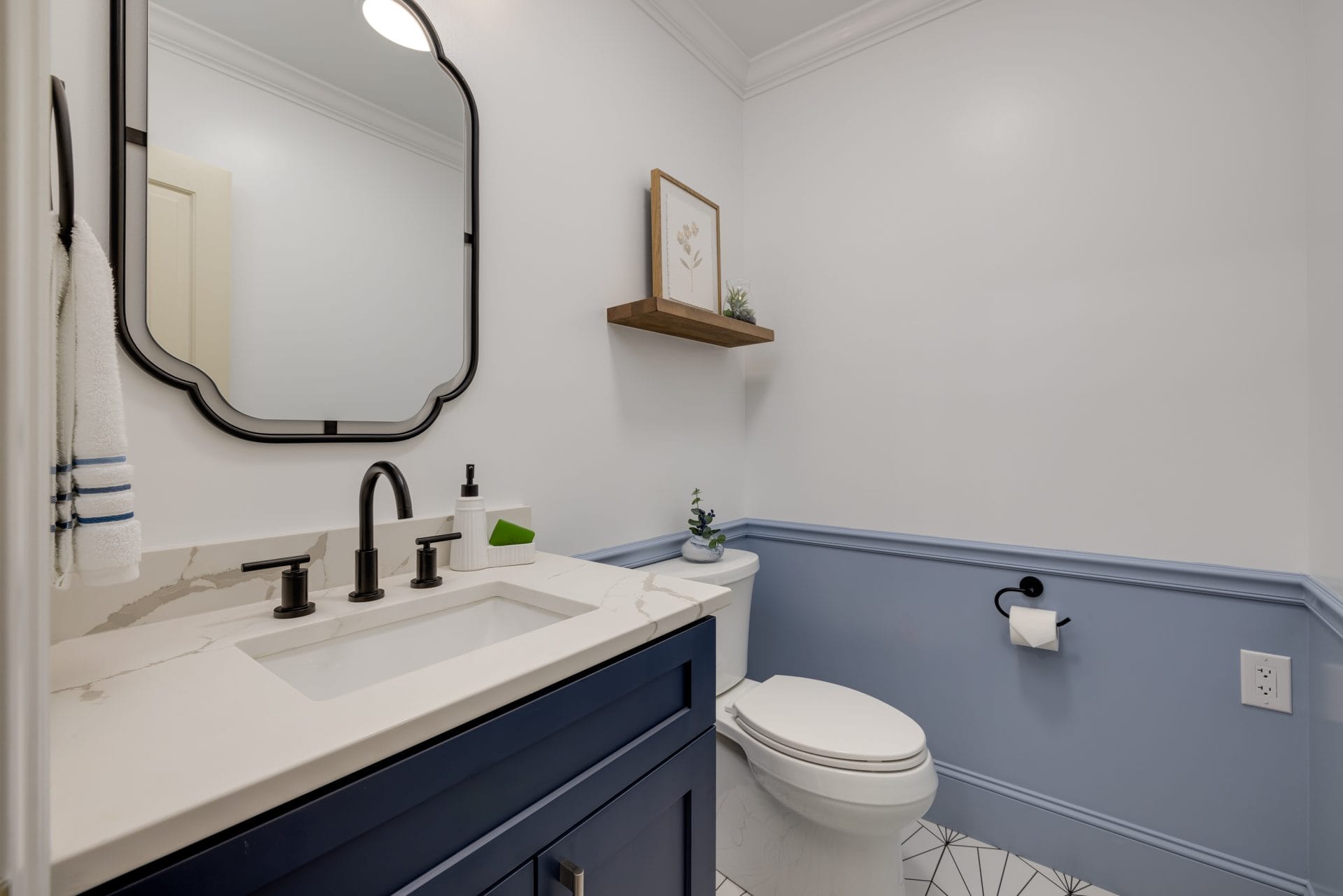
Best Paint for Bathrooms: How to Choose Finishes That Last
Bathrooms place more stress on paint than almost any other room in the home. Persistent humidity, temperature fluctuations, and frequent cleaning all accelerate wear when finishes are not properly specified. Paint that performs well elsewhere in a house often fails prematurely in a bathroom environment.
This guide explains how to approach bathroom paint selection with durability, performance, and long-term appearance in mind. Rather than focusing on products alone, it outlines how paint should be evaluated in relation to ventilation, lighting, materials, and layout—factors that ultimately determine how well finishes hold up over time.
Why Bathrooms Require Specialized Paint
Bathrooms operate in a consistently high-moisture environment. Steam from showers, condensation on cooler surfaces, and limited airflow place ongoing stress on painted walls and ceilings. When standard interior paint is used in these conditions, it can absorb moisture, leading to peeling, blistering, discoloration, or mold growth beneath the surface.
Paint formulated specifically for bathroom environments is designed to address these challenges. These products resist moisture penetration, inhibit mildew growth, and create a harder, more washable surface that tolerates regular cleaning. Selecting paint intended for high-humidity spaces is a foundational decision in any well-executed bathroom renovation and directly affects how long finishes remain intact.
Moisture Resistance Comes Before Color
Color defines the visual character of a bathroom, but moisture resistance determines longevity. A finish that performs poorly under humid conditions will deteriorate regardless of how well it complements the design.
High-quality bathroom paint forms a protective surface that limits water absorption while still allowing moisture vapor to escape. This balance is critical. Paint that traps moisture beneath the surface is more likely to blister or peel over time, particularly in areas with limited airflow.
For this reason, paint selection should prioritize products rated for bathroom or high-humidity use, with built-in mildew resistance and durable resin systems capable of withstanding frequent cleaning. These characteristics support long-term performance and reduce the likelihood of premature repainting.
Ventilation and Paint Performance
Ventilation plays a direct role in how paint performs in a bathroom. Even the most durable finishes are compromised when moisture lingers on surfaces for extended periods.
Bathrooms without effective ventilation remain humid long after showers end, increasing stress on walls and ceilings and accelerating finish degradation. Proper airflow allows surfaces to dry more efficiently, reducing both the duration and intensity of moisture exposure.
Effective ventilation typically includes an exhaust fan vented outdoors and used consistently during and after bathing, along with supplemental airflow from windows when available. Paint selection and ventilation planning should be considered together as part of a coordinated renovation strategy rather than as independent decisions.
Choosing the Right Paint Finish for Bathrooms
Paint sheen significantly affects durability, cleanability, and moisture resistance. In bathroom environments, finish selection is as important as paint formulation.
Matte Finishes
Traditional matte paints absorb moisture and are difficult to clean, making them unsuitable for most bathrooms. In limited applications, specialty matte paints designed specifically for high-humidity environments can be used successfully, typically in well-ventilated spaces and in combination with durable surrounding materials such as tile, stone, or glass. These finishes are selected for their visual softness rather than maximum durability and require careful coordination with ventilation and layout.
Satin Finish
Satin is one of the most versatile finishes for bathroom walls. It offers improved cleanability and moisture resistance compared to matte finishes while maintaining a refined, understated appearance. In many DGK bathroom renovations, satin finishes are used to balance durability with visual restraint, particularly in primary bathrooms where comfort and longevity are equally important.
Semi-Gloss and Gloss Finishes
Higher-sheen paints provide the strongest moisture protection due to their smooth, non-porous surfaces. These finishes are especially effective in high-use bathrooms, smaller spaces with limited airflow, and areas subject to frequent contact. Semi-gloss and gloss finishes are commonly specified for trim, doors, and cabinetry, where durability and ease of maintenance are essential.
Best Paint for Bathroom Walls
Bathroom wall paint must withstand humidity without compromising appearance. Paints formulated specifically for bathroom use maintain color consistency and finish integrity longer than standard interior products, reducing the likelihood of early wear.
These paints are commonly specified in primary and en-suite bathrooms, as well as in renovations where long-term performance is a priority. Wall paint selection is most effective when coordinated alongside tile finishes, lighting temperature, and material choices rather than selected in isolation.
How Paint Integrates With Lighting, Materials, and Layout
Paint does not exist independently within a bathroom. Its appearance and performance are directly influenced by lighting, adjacent materials, and layout decisions.
Lighting affects how color and sheen are perceived throughout the day. Warm lighting can soften neutral tones, while cooler lighting can emphasize contrast and undertones. Higher-sheen finishes reflect more light, which can either enhance brightness or highlight surface imperfections depending on fixture placement and beam direction. Selecting paint alongside lighting temperature and fixture design helps ensure surfaces read consistently across different conditions.
Paint must also work in harmony with surrounding materials such as tile, stone, cabinetry, and metal finishes. Gloss level, undertone, and color depth all influence how painted surfaces interact with these materials. When finishes are selected independently, visual imbalance or excessive contrast can occur. Coordinated selection allows materials to complement one another rather than compete.
Layout and ventilation further influence long-term performance. Areas exposed to frequent steam or limited airflow benefit from more durable finishes than lower-impact zones. Understanding how moisture moves through the space allows paint to be specified based on actual use conditions rather than appearance alone.
This level of coordination is typically addressed during a full bathroom renovation and refined through a comprehensive design-build process. In completed DGK bathroom renovations, this integrated approach supports both visual cohesion and long-term performance.
Best Paint for Bathroom Ceilings
Bathroom ceilings are among the most common failure points for paint. Warm, moist air rises and collects overhead, placing ceilings under constant exposure to humidity.
Standard ceiling paint is not designed for these conditions and often fails through peeling or mildew growth. For bathroom ceilings, paint should be specifically rated for high-humidity environments, include mildew resistance, and allow moisture vapor to escape. Flat or matte finishes are typically preferred to reduce glare, but only when the product is formulated for bathroom use.
Preventing Mold With Paint
Mildew-resistant paint can help slow surface mold growth, but paint alone cannot prevent mold if moisture issues persist. Paint can reduce surface mildew formation, make walls easier to clean, and protect finishes from moisture damage. It cannot replace proper ventilation, resolve plumbing leaks, or prevent mold caused by hidden moisture.
Successful bathroom renovations treat paint as one component of a broader moisture-management strategy rather than a standalone solution.
Best Paint for Bathroom Cabinets
Bathroom cabinets experience frequent handling, cleaning, and exposure to moisture. Paint selection plays a significant role in how cabinetry holds up over time.
Semi-gloss finishes offer durability and ease of maintenance, while high-gloss finishes provide maximum moisture resistance with a more contemporary appearance. Satin finishes offer a softer look and can help conceal minor surface imperfections. In custom bathrooms, cabinet paint is typically selected alongside vanity materials, hardware, and lighting to ensure finishes age consistently across the space.
Cabinet-specific or trim enamel paints are preferred, as they cure harder than standard wall paint and better tolerate daily use.
Bathroom Paint Colors That Age Well
Calm, neutral palettes such as soft greens, muted blues, warm whites, and light taupes reflect light effectively and help bathrooms feel balanced and open. These tones tend to perform well over time and adapt easily to changing lighting conditions.
Darker colors, including navy, charcoal, deep green, and dark teal, can create a strong visual statement when paired with appropriate lighting, lighter fixtures, and reflective surfaces. Without sufficient balance, darker finishes can make a bathroom feel visually compressed.
Final Considerations
Choosing the best paint for a bathroom involves more than selecting a color or finish. Long-lasting results depend on coordinated decisions that account for moisture, ventilation, lighting, materials, and layout. Paint performs best when selected early in the renovation process alongside other finish and system decisions.
This integrated approach supports durability, visual balance, and long-term value—key considerations in any high-quality bathroom renovation.
Frequently Asked Questions
How often should bathrooms be repainted?
Most bathrooms benefit from repainting every three to four years. High-quality bathroom paint combined with proper ventilation can extend this timeline.
Can regular interior paint be used in a bathroom?
Standard interior paint lacks moisture resistance and is not recommended for bathroom environments.
What paint finish is best for bathrooms?
Satin finishes work well for walls, semi-gloss or gloss finishes are appropriate for trim and cabinets, and bathroom-rated flat paint is best for ceilings.
What paint helps prevent mold?
Mildew-resistant bathroom paint can help reduce surface mold growth when combined with effective ventilation and moisture control.